In the realm of personalized customization and product packaging, UV DTF (Direct to Film) Stickers, also known as crystal labels, are sparking a revolution. Whether you are a business owner seeking efficient packaging solutions or a brand looking to elevate your product’s visual appeal, this heat-free, peel-and-stick innovative technology offers unprecedented convenience.
This article provides a comprehensive analysis of how UV DTF stickers work, their core advantages, suitable materials, and a detailed Frequently Asked Questions (FAQ) section to help you thoroughly understand this leading transfer technology.
How Do UV DTF Stickers Work?
UV DTF is an innovative process that combines UV printing technology with self-adhesive film transfer. Unlike traditional screen printing or thermal transfers, its production process is highly efficient:
- Printing: Using a dedicated UV printer, patterns containing white ink, color ink, and varnish are printed directly onto an A-film coated with a special release layer.
- UV Curing: Simultaneously during printing, ultraviolet lights inside the machine instantly cure the ink, creating a 3D embossed tactile effect.
- Laminating: A sticky B-film is applied over the printed A-film, completing the final product.
To use them, simply peel off the backing film, press the sticker onto the target surface, and peel away the top protective film. The pattern will adhere perfectly and securely to the product.
Why Are Businesses Choosing UV DTF Stickers? (Core Advantages)
In commercial applications and mass production, UV DTF stickers demonstrate advantages unmatched by traditional stickers:
- Exceptional Durability, Waterproof & Scratch-Resistant: Cured with UV varnish, the pattern surface is hard and wear-resistant. They offer excellent waterproof, sun-proof, and scratch-resistant properties, maintaining vibrant colors even on frequently washed mugs or outdoor equipment.
- No Heat Required (Cold Transfer): Unlike traditional apparel DTF or dye sublimation, UV DTF requires no heat press. The transfer is completed simply by hand-pressing, vastly expanding the range of applicable products.
- No Weeding Required: Traditional vinyl requires significant manual labor to weed out excess material. UV DTF technology only transfers the ink and glue; the edges are clean and sharp, and even intricate hollowed-out designs are perfectly rendered.
- Premium 3D Tactile Effect: The addition of the varnish layer not only provides protection but also gives the pattern a 3D embossed texture and high gloss, instantly elevating the overall premium feel of the product.
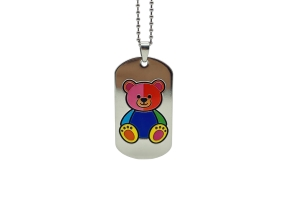
Ideal Application Scenarios and Suitable Materials
UV DTF stickers can adhere perfectly to almost any hard, smooth surface, making them an ideal choice for cross-industry product customization:
- Glass & Ceramics: Coffee mugs, wine bottles, perfume bottles, glass display windows.
- Plastics & Acrylics: Phone cases, cosmetic packaging boxes, helmets, luggage.
- Metals: Thermos flasks, industrial machinery panels, stainless steel signage.
- Wood & Cardboard: Custom gift boxes, wooden crafts, premium gift packaging.
(Note: UV DTF is not suitable for soft fabrics or highly elastic silicone materials. For textiles, traditional apparel DTF remains the best choice.)
How to Apply UV DTF Stickers Perfectly (Application Guide)
Standardized operations ensure the adhesive reaches its optimal state:
- Clean the Surface: Ensure the target surface is free of dust, grease, or moisture. Wiping with an alcohol pad and letting it dry is highly recommended.
- Peel the Backing: Carefully peel the A-film (the transparent transfer layer with the pattern) away from the B-film (the bottom release paper).
- Position and Press: Align the pattern on the target area and apply it gently. Use a squeegee or your fingers to press firmly from the center outwards, eliminating all air bubbles.
- Peel the Top Film: Slowly and steadily peel off the top transparent protective film. If any edges of the pattern haven’t fully adhered, lay the protective film back down and press again.
Frequently Asked Questions (FAQ) About UV DTF Stickers
Q1: Are UV DTF stickers waterproof and dishwasher safe? A1: Yes! UV-cured ink has outstanding waterproof properties. UV DTF stickers applied to glass or ceramics will stay securely in place and retain their color through daily hand washing and even normal dishwasher cycles. However, to extend their lifespan, it’s advisable to avoid highly corrosive acidic or alkaline cleaners.
Q2: What is the difference between UV DTF and regular DTF? A2: Regular DTF (Direct to Film) is primarily used for textiles (like t-shirts and canvas bags) and requires a high-temperature heat press to transfer the pattern onto the fabric. UV DTF is designed for hard surfaces (like glass, metal, and plastic) and uses a cold transfer technology—it only requires pressure to adhere, with no heating equipment needed.
Q3: What is the shelf life of these stickers? A3: When unused, UV DTF stickers should be stored in a cool, dry environment. Their optimal shelf life is typically 6 to 12 months. Prolonged storage may lead to a decrease in the adhesive’s stickiness.
Q4: Can very small text or complex hollow patterns be customized? A4: Yes. UV DTF printers have exceptionally high precision and can handle tiny text, complex color gradients, and hollow designs. Because there is no need for manual weeding, it perfectly replicates every detail of your design file.
Q5: How long does it take for the adhesive to reach maximum strength after transfer? A5: While the item can be used immediately after application, the bottom adhesive typically takes 24 to 48 hours to fully cure with the substrate surface and reach maximum adhesion. It is recommended to avoid heavy scratching or washing for the first two days after application.
Ready to upgrade your product packaging? Whether you need to create recognizable, high-end packaging for your brand or are seeking efficient mass-customization solutions, UV DTF stickers deliver exceptional results. If you have specific project requirements or wish to explore free customization solutions, feel free to contact us anytime to Get a Quote and discuss your business needs.
54 ready-made designs, custom prints and sample packs — sent to your inbox.