The custom printing industry is evolving at a breakneck pace, and if you are still relying solely on traditional vinyl or standard sublimation, you might be falling behind. Enter UV DTF (Ultraviolet Direct-to-Film) transfers—the revolutionary technology that allows businesses to apply vibrant, durable, and raised 3D-textured designs onto almost any hard surface.
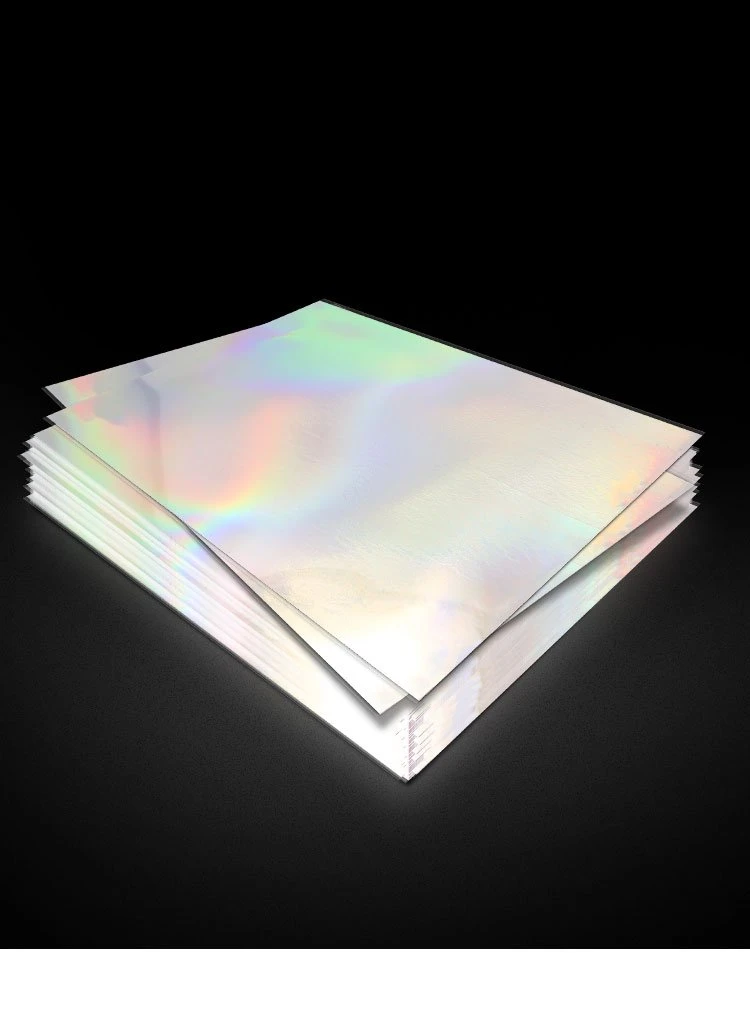
Whether you run an e-commerce shop, a promotional merchandise business, or a local print house, scaling your operations means sourcing your prints efficiently. That is where partnering with a reliable UV DTF transfer factory comes into play.
In this comprehensive guide, we will break down what UV DTF technology is, why sourcing directly from a factory is a game-changer for your margins, and how to choose the perfect manufacturing partner to ensure flawless quality every time.
What is UV DTF and Why Is It Booming?
Before diving into the logistics of factory sourcing, let’s briefly look at why UV DTF is taking the printing world by storm.
Unlike traditional DTF (which is designed for apparel and fabrics), UV DTF is specifically engineered for hard substrates. The process involves printing a design onto a special film using UV-curable inks, applying a high-gloss varnish, and layering an adhesive backing.
The result? A premium, peel-and-stick transfer that requires no heat press, no weeding, and no complex setup. You simply peel the backing, apply it to the object, rub it down, and lift the transfer sheet.
Key Benefits of UV DTF Transfers:
- Versatility: Applies perfectly to glass, metal, wood, plastic, ceramics, leather, and acrylic.
- Durability: Waterproof, scratch-resistant, and highly resistant to UV fading.
- Premium Aesthetics: Features a slightly raised, embossed texture with a glossy finish that looks like direct high-end printing.
- No Minimums on Application: Print a bulk batch at a factory, and apply them to products one by one as orders roll in.
Why Buy Directly from a UV DTF Transfer Factory?
When starting out, many businesses buy from third-party distributors or middleman printing shops. However, as your volume grows, transitioning to a direct UV DTF transfer factory is the single best move you can make for your bottom line.
1. Unbeatable Wholesale Pricing
Middlemen add a markup to cover their overhead and profit margins. By cutting them out and working directly with a factory, you unlock true wholesale pricing. This lowers your cost-per-print, allowing you to either lower your prices to beat competitors or enjoy massive profit margins.
2. Customization and Bulk Scalability
A dedicated factory operates industrial-grade UV DTF printers (such as dual or quad-head Epson systems) capable of churning out thousands of meters of film per day. Whether you need a small gang sheet run or miles of custom rolls, a factory has the infrastructure to scale with your demand without breaking a sweat.
3. Strict Quality Control at the Source
When you buy from a factory, you get direct access to their technical capabilities. You can verify the brands of ink they use (such as premium Hoson or Epson inks), the quality of their transfer glue, and the precision of their varnish alignment.
Key Factors to Consider When Choosing a UV DTF Transfer Factory
Not all factories are created equal. With the explosion of UV DTF popularity, many sub-par workshops have popped up overnight. To safeguard your brand’s reputation, look for the following criteria when vetting a manufacturing partner.
🥇 1. Quality of Raw Materials
The longevity of a UV DTF sticker depends entirely on its raw materials. Ask the factory about their components:
- Ink Quality: High-grade UV inks prevent cracking and peeling over time.
- Varnish Precision: The varnish shouldn’t just add shine; it acts as a protective shield. Ensure the factory’s machines align the varnish layer perfectly over the color layer without bleeding.
- Adhesive Strength: Cheap glue lifts off after a few hand-washes. A premium factory uses heavy-duty, pressure-sensitive adhesive that cures permanently over 24–48 hours.
⚙️ 2. Production Equipment and Technology
Ask the factory what machinery they use. Industrial-scale factories utilize roll-to-roll UV DTF printers with automated laminating systems. This ensures consistent tension across the film, preventing air bubbles or wrinkles in the transfer sheet—a common flaw in cheap, manual desktop setups.
⏱️ 3. Turnaround Times and Shipping Logistics
In e-commerce, speed is everything. A top-tier UV DTF transfer factory should offer clear lead times (typically 2 to 5 business days for production) and reliable global shipping options (such as DHL, FedEx, or UPS). Ensure they package their films safely in rigid tubes or boxes to prevent creasing during transit.
📁 4. Easy Gang Sheet Submission
A “gang sheet” is a large digital canvas where you arrange multiple designs to maximize space and save money. A tech-savvy factory will provide a user-friendly online builder or clear guidelines for uploading large-format files (like 300 DPI PDF, AI, or PNG formats with transparent backgrounds).
How to Test a Factory Before Placing a Bulk Order
Never commit to a massive bulk order without testing the waters first. Follow this step-by-step checklist to evaluate a new UV DTF transfer supplier:
Step 1: Order a Sample Pack ➜ Step 2: Run Stress Tests ➜ Step 3: Evaluate Customer Support
- Step 1: Order a Sample Pack. Most reputable factories offer a low-cost or free sample pack containing pre-printed designs.
- Step 2: Run Stress Tests. Apply the samples to various materials (a ceramic mug, a stainless steel tumbler, a plastic phone case). Put them through the dishwasher, scratch them with a coin, and expose them to sunlight to check for fading.
- Step 3: Evaluate Customer Support. Pay attention to how quickly and clearly they communicate. Do they understand your technical requirements? Are they transparent about pricing?
Common Mistakes to Avoid with UV DTF Transfers
Even when working with the best factory, user error can result in poor application. Keep these tips in mind to get the most out of your factory-sourced transfers:
⚠️ Important Reminder: UV DTF transfers are not meant for fabrics, apparel, or highly textured, canvas-like surfaces. They are strictly designed for smooth, hard items.
- Skipping the Cleaning Step: Always wipe the target surface with rubbing alcohol to remove oils and dust before applying the transfer.
- Peeling Too Quickly: Rub the transfer firmly with a squeegee or your thumb to activate the pressure-sensitive adhesive. Peel the carrier sheet slowly at a sharp, flat angle.
- Using Them on Soft Curved Surfaces: While they work beautifully on cylinders (like tumblers), applying large UV DTF stickers to complex, spherical surfaces (like a baseball) can cause wrinkling.
Comparison: UV DTF vs. Traditional Customization Methods
To understand why sourcing from a UV DTF factory is a smart business move, look at how it compares to older methods:
| Feature | UV DTF Transfers | Sublimation | Vinyl Weeding (HTV) |
| Material Limits | Any hard substrate | Polyester or coated items only | Most surfaces |
| Texture | 3D Raised / Glossy | Flat / Embedded | Flat / Layered |
| Setup Time | Zero (Peel & Stick) | Medium (Heat Press) | High (Weeding & Masking) |
| Color Detail | Full CMYK + White + Varnish | Full CMYK (No White) | Limited to solid colors |
Conclusion: Scale Your Business with a Trusted UV DTF Partner
The market for personalized goods is skyrocketing, and consumers are willing to pay a premium for high-quality, textured, and long-lasting prints. Partnering with a dedicated UV DTF transfer factory allows you to unlock wholesale pricing, bypass expensive machinery maintenance, and focus entirely on what you do best: designing and selling.
By prioritizing material quality, testing samples thoroughly, and choosing a manufacturer with reliable lead times, you can confidently scale your product catalog and deliver stunning results to your customers.
Ready to elevate your custom merchandise game?
Contact our team today to explore our state-of-the-art UV DTF transfer factory capabilities, order your custom sample pack, and see the premium 3D-gloss difference for yourself!
54 ready-made designs, custom prints and sample packs — sent to your inbox.