
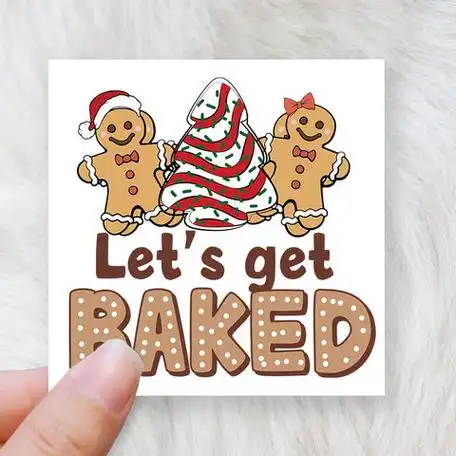
In the custom printing and packaging industry, finding a transfer technology that maintains high resolution while adapting to various complex surfaces has always been a challenge. That is, until the emergence of UV DTF (Direct-to-Film) Stickers, which has completely changed the game.
Whether you are a B2B manufacturer looking for efficient packaging solutions or an independent e-commerce merchant offering custom services, understanding and utilizing UV DTF technology will give you a massive competitive edge. This article will comprehensively explore how UV DTF stickers work, their core benefits, applications, and frequently asked questions.
What Are UV DTF Stickers?
UV DTF (Ultraviolet Direct-to-Film) is an innovative process combining UV printing and cold transfer technologies. Unlike traditional UV printing that sprays ink directly onto the surface of an object, UV DTF prints UV ink (including color ink, white ink, and varnish) first onto a special release film (A film). It is then covered with a transfer film (B film) to create a ready-to-apply sticker.
These stickers usually feature a distinct 3D embossed tactile feel and a high-gloss finish, often referred to as “crystal labels” in some markets.
Core Advantages of UV DTF Stickers
Why have UV DTF stickers taken the customization and packaging market by storm so quickly? It mainly comes down to these key advantages:
- No Weeding Required: Traditional vinyl or die-cut stickers require a lot of manual labor to weed out the negative space. UV DTF stickers are ready to peel and apply, greatly improving production and packaging efficiency.
- Wide Range of Applications: It breaks through the shape and height limitations of traditional flatbed UV printers. It adheres perfectly to almost any hard, smooth, or slightly curved surface, including glass, metal, ceramics, acrylic, plastic, and wood.
- Exceptional Durability: Once cured, UV ink is highly resistant to scratches, water, and UV rays. Even in outdoor environments or after multiple washes, the colors remain vibrant and fade-resistant.
- Premium Visual and Tactile Experience: By layering the ink (white base + color ink + varnish finish), the stickers naturally have a 3D embossed effect. This significantly elevates the texture of product packaging, making it perfect for high-end cosmetics packaging, crafts, and brand merchandise.
UV DTF vs. Traditional DTF (Apparel Transfer)
For beginners, it’s easy to confuse UV DTF with standard DTF. Here is the main difference:
- Standard DTF (Direct-to-Film): Primarily used for soft fabrics (like t-shirts and canvas bags). It requires applying hot melt powder and using a heat press for high-temperature transfer.
- UV DTF: Designed specifically for hard surfaces. No hot melt powder or heat press is needed. It’s a “cold transfer” process—you simply apply it with physical pressure and peel off the film.
How to Apply UV DTF Stickers (4 Simple Steps)
Proper application maximizes the sticker’s adhesion and lifespan.
- Clean the Surface: Use alcohol or a cleaner to wipe away dust, oil, and moisture from the target surface. Ensure it is completely dry.
- Peel the Backing: Peel off the transparent backing film (A film) from the UV DTF sticker, leaving the design on the sticky transfer film (B film).
- Position and Apply: Align the design on the target area and gently apply it. Press down firmly from the center outwards, or use a squeegee to smooth it out and eliminate air bubbles, ensuring the design fully adheres to the surface.
- Peel the Transfer Film: Once firmly attached, slowly peel off the top transparent transfer film (B film). Your stunning 3D design is now perfectly transferred to the object.
Frequently Asked Questions (FAQ)
(SEO Tip: Adding FAQ Schema Markup to this section in your website’s backend will highly increase your chances of capturing Rich Snippets in Google search results.)
1. Do UV DTF stickers require a heat press?
No. UV DTF is a cold transfer technology. It comes with a strong, eco-friendly adhesive and only requires physical pressure (pressing by hand or using a squeegee) to complete the transfer. No heating equipment is needed.
2. Can UV DTF stickers be applied to clothes?
No. UV DTF stickers are designed for hard surfaces (such as glass, plastic, metal, wood, etc.) and lack the stretchability and washability required for fabrics. If you need custom apparel, please choose traditional DTF heat transfer technology.
3. Are UV DTF stickers waterproof and scratch-resistant?
Yes, they are highly durable. Thanks to the UV-cured ink and varnish coating, they are not only waterproof and sun-proof but also resistant to daily wear and scratches. They are perfect for tumblers, car decals, and outdoor product branding.
4. Can I wash the item immediately after applying the sticker?
It is recommended to let it sit for 24 to 48 hours before washing or putting it in a dishwasher. This allows the adhesive to fully cure and bond with the surface for maximum adhesion.
5. If I place it crooked, can I peel it off and reapply it?
Generally, no. UV DTF stickers have extremely strong adhesion. Once firmly pressed down, forcibly peeling them off may tear the design or leave adhesive residue on the surface. We highly recommend careful positioning before applying.