
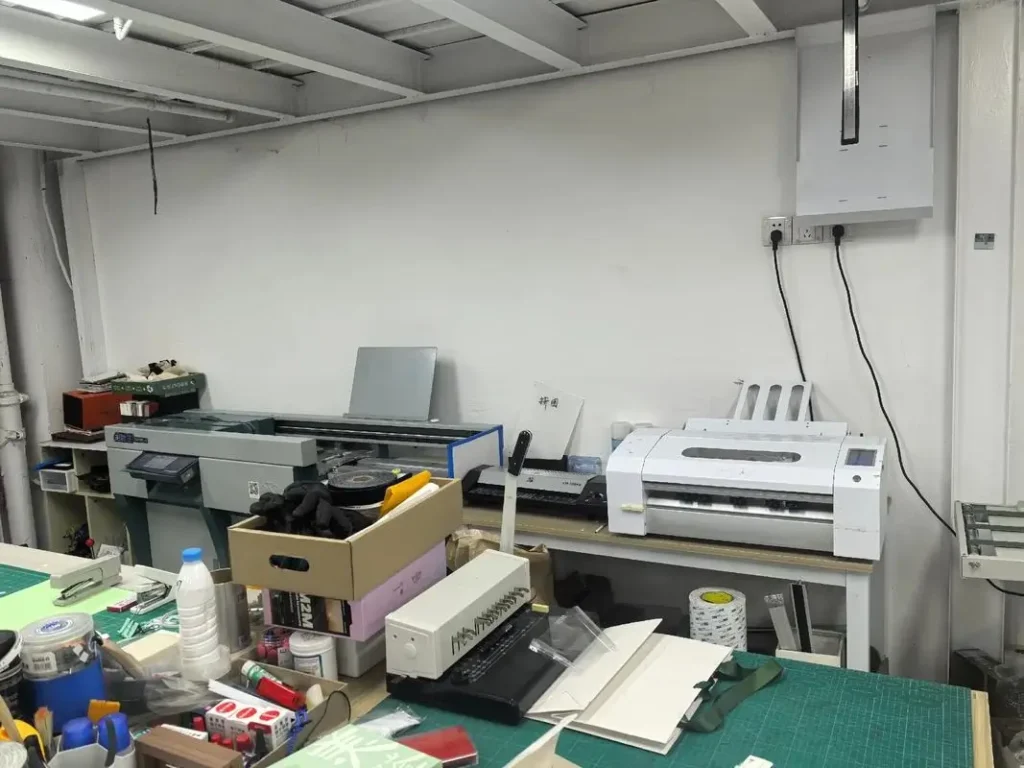
The custom merchandise and promotional products industry is evolving at a breakneck pace. If you run an e-commerce storefront, an Etsy shop, or a local print business, you already know that staying ahead requires embracing the latest decoration technologies. Enter UV DTF (Ultraviolet Direct-to-Film) printing—a revolutionary method that has completely transformed how we customize hard surfaces.
While buying a dedicated UV DTF printer can require a massive upfront capital investment, many smart entrepreneurs are scaling their businesses by partnering directly with a wholesale UV DTF transfer factory.
In this comprehensive guide, we will dive deep into what a UV DTF transfer factory does, why outsourcing your production is the ultimate growth hack, and how to choose the right manufacturing partner to ensure your brand delivers flawless, high-quality products every single time.
Understanding UV DTF: What Makes It a Game-Changer?
Before looking into the mechanics of a factory setup, it’s essential to understand why UV DTF has taken the market by storm.
Traditional Direct-to-Film (DTF) is designed primarily for apparel and textiles, utilizing water-based inks and heat-activated powder. UV DTF, on the other hand, is built specifically for hard, non-porous surfaces. It combines the crisp, vibrant quality of UV curable inks with the versatility of a transfer decal.
The process involves printing a design onto a special release film (Film A) using CMYK, white ink, and a glossy varnish layer. The printer instantly cures the ink using UV light. Then, an automated laminator applies a sensitive adhesive transfer film (Film B) over the print. The result? A premium, scratch-resistant, water-resistant 3D sticker that can be applied to almost any hard surface without a heat press.
The Versatility of UV DTF Transfers
Unlike traditional vinyl wrap or sublimation, UV DTF doesn’t require flat surfaces or special polymer coatings. You can seamlessly apply factory-grade transfers to:
- Glassware (Libbey beer cans, wine glasses, mason jars)
- Stainless steel tumblers and hydroflasks
- Ceramic mugs and tiles
- Wood, acrylic, and plastic electronics cases
- Irregularly shaped or curved promotional items
Why Partner with a Professional UV DTF Transfer Factory?
If you are looking to scale, trying to print everything in-house can quickly become a bottleneck. Investing in commercial-grade UV DTF machinery requires thousands of dollars, regular maintenance, climate-controlled environments, and technical expertise.
By outsourcing your production to a specialized UV DTF transfer factory, you unlock several competitive advantages:
1. Cost Efficiency and Wholesale Pricing
Factories operate on economies of scale. They purchase raw PET films, high-grade UV inks, and specialized adhesives in massive bulk quantities. This allows them to offer gang sheets (sheets filled with multiple designs) at a fraction of what it would cost you to produce them individually. You save on machinery depreciation, labor, and material waste.
2. Access to Industrial-Grade Machinery
A reputable UV DTF transfer factory utilizes high-end industrial printers equipped with advanced printheads (such as Epson i3200 or Ricoh heads). These machines offer a much higher DPI (dots per inch), perfect color calibration, and smoother varnish gradients than entry-level desktop converted printers.
3. Unmatched Scalability
Did an influencer just feature your custom tumbler design, resulting in 5,000 sudden orders? A factory can handle high-volume bulk orders effortlessly, turning around thousands of prints within a few business days. This keeps your business agile without forcing you to pull all-night printing shifts.
4. Flawless Varnish and 3D Texturing
One of the hallmarks of high-quality UV DTF prints is the raised, tactile feel created by the clear varnish layer. Industrial factories can manipulate the varnish layer to give your prints a glossy, embossed, or 3D effect that looks luxury and premium, dramatically increasing your retail margins.
Inside a UV DTF Transfer Factory: How the Magic Happens
To appreciate the quality of the transfers you receive, let’s take a look behind the scenes at how a professional manufacturing hub operates.
[Digital Artwork Upload] ➔ [Pre-flight & Gang Sheet Optimization] ➔ [Multi-layer UV Printing (Ink + Varnish)] ➔ [Automated Lamination (Film A to B)] ➔ [QC Inspection & Cutting] ➔ [Secure Packaging & Shipping]
- Artwork Pre-flight: The factory’s prepress team reviews customer files (usually vectors or high-resolution transparent PNGs). They optimize the alignment and set up the spot-white and varnish channels in the RIP software.
- Precision Printing: The designs are fed into wide-format UV DTF printers. The machine lays down a white base layer first (to ensure colors pop even on dark surfaces), followed by the vibrant CMYK colors, and topped off with the protective UV varnish.
- Inline Curing and Lamination: As the film moves through the printer, powerful UV LED lamps instantly freeze and cure the ink. The film immediately passes into an integrated laminating unit that applies the strong adhesive transfer film under precise pressure and temperature.
- Quality Control (QC): Technicians inspect the rolls for any ink head deviations, dust particles, or lamination bubbles. Only perfect prints are cut, packaged, and prepared for shipping.
Premium Factory Transfers vs. Standard Vinyl Stickers
If you are wondering how factory-produced UV DTF transfers stack up against traditional customization methods like permanent vinyl or eco-solvent stickers, look at this breakdown:
| Feature | Factory UV DTF Transfers | Traditional Cut Vinyl | Eco-Solvent Stickers |
| Texture & Feel | Raised, 3D embossed gloss finish | Flat, layered edges | Completely flat |
| Weeding Required? | No (Intricate details transfer automatically) | Yes (Highly labor-intensive) | No (But requires die-cutting) |
| Application Tool | Hand pressure / squeegee | Heat press or strong transfer tape | Hand application |
| Durability | High (Scratch, water, UV resistant) | Medium (Edges peel over time) | Low to Medium |
| Fine Text/Detail | Exceptionally sharp (down to 1mm text) | Poor (Tiny pieces lift during weeding) | Good |
Insider Tip: Because UV DTF transfers don’t require weeding, you can print highly intricate, fragmented designs—like mandalas, fine line art, or cursive typography—that would be completely impossible to execute using a traditional vinyl cutter.
How to Choose the Right UV DTF Transfer Factory for Your Brand
Not all factories are created equal. With the rise of global supply chains, there are hundreds of options available online. To protect your brand’s reputation and ensure a smooth workflow, evaluate your potential UV DTF transfer factory based on the following criteria:
Check Their Adhesive Quality
The longevity of a UV DTF transfer depends heavily on the glue used on the transfer film. Lower-tier factories use cheap adhesives that lift or peel off after a few washes. Look for factories that explicitly advertise the use of high-strength, water-resistant industrial adhesives.
Minimum Order Quantities (MOQs) and Gang Sheet Options
If you are a startup, you want a factory that offers flexibility. Look for suppliers that allow you to build gang sheets (e.g., 22-inch wide rolls where you can pack as many designs as you want) with low or no Minimum Order Quantities. This allows you to test prototypes before committing to massive bulk runs.
Turnaround and Shipping Reliability
In the print-on-demand era, speed is everything. Inquire about their standard production turnaround times (ideally 2 to 5 business days) and ensure they offer reliable, tracked express shipping options so your inventory never runs dry.
Order a Sample Pack First
Never commit to a massive production run without testing first. A premium UV DTF transfer factory will always offer a low-cost or free sample pack containing pre-printed designs. Use these samples to run scratch tests, dishwasher tests, and color accuracy checks on your specific substrates.
Step-by-Step: How to Apply Factory UV DTF Transfers Flawlessly
Once your order arrives from the factory, application is incredibly straightforward. You can pass these instructions along to your end customers if you sell the transfers directly as DIY decals!
Step 1: Prepare the Surface
Clean the substrate (glass, metal, plastic) thoroughly using isopropyl alcohol to remove any fingerprints, dust, or manufacturing oils. Allow it to dry completely.
Step 2: Squeegee the Transfer
Place the transfer sheet on a flat surface and run a squeegee or plastic card firmly over the design. This ensures the design adheres perfectly to the clear transfer film (Film B) before peeling.
Step 3: Peel the Backing
Carefully peel away the thicker backing film (Film A) at a 180-degree angle. Your vibrant design should now be stuck entirely to the clear, sticky transfer tape.
Step 4: Position and Apply
Align the transfer carefully over your item. Note: The adhesive is extremely strong and permanent; once it touches the surface, you cannot reposition it. Lay it down smoothly from one side to the other to avoid trapping air bubbles.
Step 5: Press and Burnish
Rub the design firmly with your fingers or a squeegee, paying close attention to fine lines and intricate edges. The friction and pressure lock the bond between the UV ink and the object.
Step 6: Peel the Clear Film
Slowly peel back the clear transfer film. If any part of the design lifts, lay it back down, rub firmly, and try again. Once peeled, you are left with a stunning, durable, borderless print!
Frequently Asked Questions (FAQs)
Can UV DTF transfers be used on t-shirts or fabrics?
No. UV DTF transfers cure into a rigid, solid film that does not stretch or breathe. If applied to fabric, it will crack and peel off during the first wash. For apparel, you must use traditional textile DTF transfers.
Are factory-printed UV DTF transfers dishwasher safe?
Yes, high-quality transfers from a reliable factory are highly water-resistant and can withstand multiple cycles in a standard residential dishwasher. However, to maximize the lifespan of the print and retain its high-gloss shine, hand-washing is always recommended for customized drinkware.
What file formats should I send to the factory?
To achieve the sharpest output, always send vector files in PDF, AI, or EPS format. If you are submitting raster images (like custom illustrations), ensure they are in PNG format with a completely transparent background and a resolution of at least 300 DPI.
Conclusion: Scale Smarter, Not Harder
Partnering with an experienced UV DTF transfer factory is one of the most effective strategies to scale your customization business without drowning in equipment maintenance and overhead costs. It bridges the gap between small-scale creativity and industrial-grade durability, giving you the freedom to focus on what you do best: marketing, designing, and building memorable connections with your clients.
Are you ready to elevate your product line with vibrant, tactile, and highly durable prints? Order a sample pack from a verified UV DTF production facility today and see the difference that professional, industrial printing can make for your brand.