
The custom merchandise and promotional product landscape is undergoing a massive shift. For years, businesses relied on traditional vinyl cutting, screen printing, or standard sticker printing to brand hard surfaces. However, those methods came with serious drawbacks: tedious weeding, high setup costs, and limited durability.
Enter UV DTF (Direct-to-Film) printing technology.
If you are looking to scale your e-commerce shop, print-on-demand platform, or local sign business, finding the right UV DTF transfer factory is the single most important decision you will make this year. Sourcing high-quality, pre-printed UV DTF transfers at a wholesale level allows you to offer premium, durable, and highly tactile customization on nearly any hard substrate—without investing tens of thousands of dollars in industrial hardware.
This comprehensive guide will break down what a UV DTF transfer factory does, how the manufacturing process works, and how to choose the ideal production partner to ensure your business thrives.
What Exactly is a UV DTF Transfer Factory?
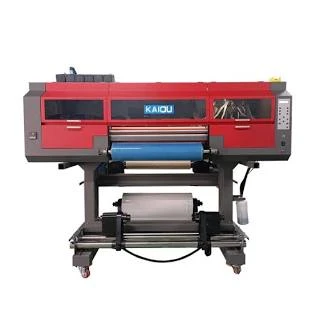
A UV DTF transfer factory is a specialized, industrial-scale manufacturing facility equipped with advanced UV digital printers and automatic laminating systems. Unlike standard textile DTF (which uses water-based inks and TPU powder cured by heat for fabrics), a UV DTF factory focuses entirely on hard-surface customization.
These factories produce “rub-on” or “wrap” transfers. The process utilizes UV-curable inks applied directly onto a specialized transport film (the A-film), which is instantly cured by ultraviolet lights, layered with a high-bond adhesive, and protected by a release liner (the B-film).
The result? A highly vibrant, waterproof, scratch-resistant sticker that can be applied to glass, metal, wood, plastic, ceramics, and leather without needing a heat press or any specialized equipment.
Inside the Factory: The Step-by-Step Manufacturing Process
Understanding how an industrial factory produces these transfers helps you appreciate the quality differences between premium suppliers and low-tier operations. Here is a look at what happens behind the scenes:
1. File Optimization and Gang Sheet Setup
Before a single drop of ink hits the film, prepress engineers review client designs. High-volume operations use advanced gang sheet builder software to pack hundreds of custom logos tightly onto a single continuous roll, minimizing material waste and keeping costs low for the client.
2. High-Resolution Multi-Layer Printing
The industrial UV printer runs at high speeds, applying multiple layers of ink in a single pass onto the specialized A-Film (which features an integrated adhesive coating). The print head deposits:
- CMYK/Light Cyan/Light Magenta: For vivid, high-resolution color graphics.
- White Ink (W): Applied as a thick backing layer to ensure the design remains fully opaque, even when placed on dark or transparent surfaces.
- Varnish Gloss (V): A clear topcoat that provides a striking 3D tactile texture, a premium gloss finish, and extra scratch resistance.
3. Synchronized UV LED Curing
As soon as the ink is deposited, high-intensity UV LED lamps pass over the film. This instantly cures (hardens) the specialized ink, locking the vibrant pigments and varnish into place. There is zero drying time required, preventing ink bleeding and ensuring razor-sharp details.
4. Automatic Cold/Hot Lamination
The printed A-film is immediately guided into an industrial laminating machine. Here, it is combined with the B-Film (the transfer carrier sheet). Precision rollers exert uniform pressure to ensure the adhesive bond between the design and the transfer sheet is completely flawless, eliminating air bubbles or weak spots.
5. Quality Control and Precision Cutting
The completed rolls are inspected by quality assurance teams for color accuracy, varnish alignment, and adhesive integrity. They are then sliced into manageable sheets or individual custom cuts, packaged securely, and shipped globally.
Why Businesses are Shifting to UV DTF Transfers
Working directly with a wholesale factory provides several unparalleled advantages over traditional decorating techniques.
No Weeding, No Waste
If you have ever worked with sign vinyl, you know that weeding intricate designs is a labor-intensive nightmare. UV DTF transfers require zero weeding. The adhesive only exists where the ink was printed. You simply cut out the design from the sheet, peel the backing, rub it onto the surface, and pull off the transfer film.
The “3D Raised” Premium Effect
By stacking layers of white ink and varnish, industrial factories can create a distinct raised texture that mimics high-end embossing or 3D printing. This tactile property instantly elevates the perceived value of promotional items like water bottles, tech gadgets, and luxury packaging.
Extreme Durability
Modern UV inks are formulated to withstand heavy daily use. High-quality transfers are:
- 100% Waterproof: Perfect for hydro-flasks and outdoor gear.
- Scratch & UV Resistant: Will not fade or peel when exposed to sunlight or rough handling.
- Dishwasher Safe: Advanced polyurethane adhesives ensure the designs remain firmly intact even through multiple dishwasher cycles.
Comparing Substrate Decoration Methods
| Feature | UV DTF Transfers | Traditional Vinyl Decals | Screen Printing |
| Setup Costs | Ultra-Low (No screen/die fees) | Low | High (Per color setup) |
| Tactile Feel | Premium 3D Raised Effect | Flat / Plastic | Flat / Ink layer |
| Weeding Required | No | Yes (Labor intensive) | No |
| Color Complexity | Unlimited (Full gradients) | Limited to solid vinyl rolls | Limited by screen count |
| Minimum Order | Very Low (Flexible sheets) | Low | High (Usually 50+ units) |
| Material Synergy | Glass, Metal, Wood, Plastic | Smooth Plastics/Glass | Flat, specialized shapes |
How to Choose the Right UV DTF Transfer Factory
Not all manufacturing facilities are built equal. To protect your brand’s reputation and maximize your profit margins, you must vet potential suppliers using the following criteria:
1. Consistency and Quality of Consumables
Ask the factory about the brands of ink, film, and printers they use. Low-grade UV inks crack under pressure or turn yellow over time. Premium factories utilize eco-friendly, highly flexible UV inks paired with top-tier industrial print heads (such as Epson or Ricoh) to ensure spectacular color fidelity and exceptional durability.
2. Turnaround Times and Shipping Logistics
In the print-on-demand era, speed is everything. Top-tier factories feature streamlined workflows capable of printing, curing, and dispatching your custom orders within 24 to 48 hours. Look for factories that partner with global express couriers (like DHL Express or FedEx) to guarantee your transfers arrive undamaged and on time.
3. Low MOQs with Bulk Tier Pricing
As a growing business, you need flexibility. Look for a factory that offers low Minimum Order Quantities (MOQs) for testing or prototyping new designs, while providing steep volume discounts for bulk wholesale production.
4. Advanced Ordering Infrastructure
An optimized partner should offer an intuitive digital platform. This includes an online gang sheet builder where you can drag, drop, and resize your graphics seamlessly, view real-time resolution alerts, and instantly calculate costs before submitting your order.
Pro Tip: Always order a sample pack before committing to a massive manufacturing run. Apply the sample transfers to various materials, run them through a dishwasher, and scratch them with a coin to test the factory’s adhesive performance firsthand.
Emerging Production Trends
The UV DTF manufacturing sector is evolving rapidly to meet changing market demands. Leading factories are implementing several cutting-edge innovations:
- Eco-Friendly Formulations: Driven by global sustainability initiatives, advanced factories are adopting non-toxic, bio-based UV inks and recyclable carrier films that minimize carbon footprints without sacrificing structural durability.
- AI-Driven Calibration: Factories are incorporating artificial intelligence into their print pipelines to auto-correct color shifts, detect micro-clogs in print heads, and optimize layout efficiency in real time.
- Specialty Metallic & Holographic Finishes: Beyond standard CMYK, factories now offer specialized transfer sheets featuring embedded gold foil, silver accents, glitter varnishes, and shifting holographic layers to capture consumer attention.
Conclusion: Partner with the Best to Build Your Brand
Outsourcing your printing needs to an elite UV DTF transfer factory bridges the gap between creative vision and scalable commercial execution. It eliminates the heavy capital expenditures of buying machinery, hiring operators, and dealing with maintenance bottlenecks. Instead, it allows you to focus strictly on what you do best: designing, marketing, and growing your business.
By partnering with a factory that delivers pristine image clarity, rugged physical durability, and lightning-fast logistics, you can confidently fulfill massive corporate orders or custom individual requests with ease.
Frequently Asked Questions (FAQs)
Can UV DTF transfers be applied to apparel or t-shirts?
No, UV DTF transfers are designed strictly for non-porous, hard surfaces like glass, plastic, wood, ceramics, and metal. For textiles and clothing, traditional textile DTF transfers (which use heat-activated powder) should be used instead.
What is the lifespan of a factory-grade UV DTF transfer?
When applied correctly to a clean, grease-free surface, factory-grade UV DTF transfers can last for several years indoors and resist harsh outdoor elements for extended periods without noticeable fading or peeling.
How do I prepare my files for the factory?
Most factories require transparent background files in high-resolution formats, such as Vector PDF, EPS, or 300 DPI PNG files. Ensure your color profile is set according to the factory’s guidelines (usually CMYK) to prevent unexpected color shifts during production.