
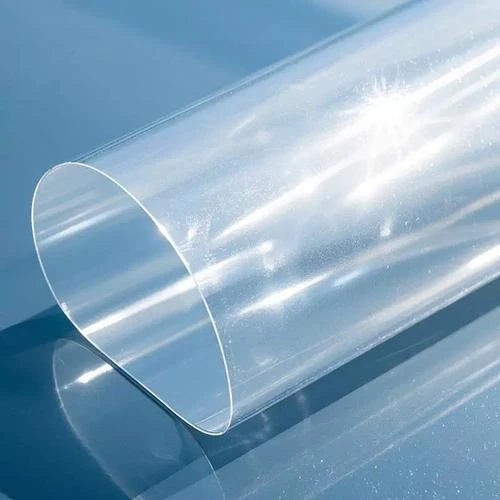
The personalization industry is undergoing a massive transformation. In the world of custom apparel, standard Direct-to-Film (DTF) remains the go-to standard. However, when it comes to personalizing hard, rigid, or irregularly shaped surfaces like tumblers, phone cases, glass, and wood, UV DTF technology is the undisputed champion. For e-commerce brands, promotional product companies, and print shops aiming to scale, relying on small desktop printers is no longer viable. To achieve high margins, consistent quality, and massive volume, partnering with a professional UV DTF transfer factory is the ultimate strategic move.
This comprehensive guide breaks down how UV DTF printing works, why choosing the right factory manufacturer is critical for your bottom line, and how to spot a top-tier supplier in today’s competitive market.
What is UV DTF Technology?
Before diving into the logistics of sourcing, it is essential to understand why this technology is highly sought after.
UV DTF (Ultraviolet Direct-to-Film) combines the high-definition, vibrant output of UV-curable inks with the versatility of a transfer film. Unlike traditional UV flatbed printing, which requires placing the physical object inside a machine, UV DTF allows you to print designs onto a specialized film system. Once printed, these designs can be manually pressed onto virtually any hard surface—no heat press required.
The process utilizes two distinct films:
- Film A (PET Print Film): The film where the graphic, white ink, and varnish layers are printed and instantly cured by UV LED lights.
- Film B (Transfer/Lamination Film): A high-tack positioning film laminated over Film A, which allows users to lift the design and transfer it to the final substrate.
The Result: Premium 3D Texture and Durability
Modern UV DTF transfers do not just lay flat. Advanced factories utilize multi-layer ink printing to create a raised, embossed 3D texture topped with a glossy or matte varnish. The result is a premium, high-end finish that looks like it was printed directly by an industrial machine, boasting incredible scratch-resistance, UV stability, and waterproof durability.
Why Partner with a Direct UV DTF Transfer Factory?
If you are running a retail or print business, buying transfers from a middleman or a local workshop eats into your profit margins and leaves you vulnerable to supply chain inconsistencies. Partnering directly with an established UV DTF transfer factory offers distinct advantages:
1. Superior Economies of Scale (Lower Cost per Print)
Factories operate massive industrial rolls and automated gang sheet setups. By grouping hundreds of designs together onto high-speed production lines, a direct manufacturer drastically cuts ink and film waste. They pass these savings down to you, reducing your cost per transfer to a fraction of retail prices and allowing for excellent retail markups.
2. High-Capacity Machinery and Automation
A domestic print shop might have one or two dual-head printers. A dedicated UV DTF transfer factory houses rows of multi-head industrial printers (often utilizing premium Epson printheads) integrated with automated lamination and precision cutting units. This high-capacity environment guarantees rapid turnaround times, even on bulk orders of thousands of sheets.
3. Consistent Quality Control (QC)
Inconsistent adhesive coatings or poor UV curing lead to peeling, fading, or bubbling stickers. Industrial factories implement strict quality control protocols, testing ink adhesion, varnish gloss levels, and liner peel strength before shipping any batch out.
Insider Tip: When sourcing from a factory, always ask for their “washability and abrasion test reports.” Top-tier manufacturers subject their transfers to hundreds of dishwasher cycles to ensure industrial-grade durability.
Inside a High-Tech UV DTF Transfer Factory: The Production Process
Understanding what happens behind the scenes helps you optimize your design files and order structures for a smoother production workflow.
Step 1: Digital Asset and Gang Sheet Optimization
When you submit your designs, the factory’s prepress team inspects your artwork. High-quality production requires vector files (AI, PDF) or high-resolution raster graphics (at least 300 DPI PNGs with transparent backgrounds). Automated RIP (Raster Image Processor) software arranges your artwork onto a cohesive “gang sheet” to maximize material utilization.
Step 2: Precision Printing with White, CMYK, and Varnish
The film passes through an industrial UV printer. The printer applies three distinct layers in a single pass:
- The Varnish Layer: Creates the glossy protective shield and tactile 3D effect.
- The Color Layer (CMYK): Delivers vibrant, high-definition graphics.
- The White Underbase: Ensures the colors remain opaque and vivid, even when applied to dark or transparent surfaces.
As the ink drops land on Film A, powerful UV-LED lamps travel alongside the printheads, instantly curing and solidifying the ink.
Step 3: In-Line Lamination
Immediately after printing and curing, the film enters an automated, temperature-controlled lamination unit. Here, Film B (the transfer tape) is precisely rolled over the printed Film A using even pressure, ensuring no air bubbles or creases are trapped inside.
Step 4: Finishing and Strict Quality Inspection
The rolls are sliced into manageable sheets or individual wrappers based on customer specifications. Quality control technicians inspect the batch under high-intensity lighting to check for head clogs, color accuracy, and uniform adhesive application.
Key Benchmarks: How to Evaluate a UV DTF Manufacturer
Not all factories are created equal. To ensure your brand maintains a premium reputation, evaluate prospective manufacturing partners using the following performance criteria:
| Feature/Metric | Top-Tier UV DTF Transfer Factory | Low-Cost Workshop |
| Printhead Technology | Industrial Epson i3200 or Ricoh heads | Outdated or desktop-adapted printheads |
| Ink System | Low-VOC, eco-friendly, highly flexible UV inks | Cheap, brittle inks that crack when bent |
| Specialty Finishes | Glossy, Matte, 3D Embossed, Metallic/Holographic | Flat CMYK only; no option for varnish depth |
| Adhesive Strength | Heavy-duty, weather-resistant polymer glue | Standard adhesive that lifts on curved glass |
| Turnaround Time | 2–5 business days for bulk orders | 2+ weeks due to machine downtime |
Essential Questions to Ask Your Supplier Before Ordering:
- What is your MOQ (Minimum Order Quantity)? Scalable factories usually offer low MOQs for sample testing but provide deep tier-based discounts for large bulk runs.
- Do you offer custom packaging or roll-form shipping? If you are reselling the transfers directly to consumers, you want the factory to provide clean, flat-packed sheets rather than tightly wound rolls that wrinkle the transfer tape.
- What type of varnish profiles do you support? Ensure they can handle high-build varnish if you want a prominent 3D textured look.
Endless Applications: What Can You Sell with UV DTF Transfers?
The incredible versatility of factory-grade UV DTF transfers allows businesses to break out of traditional apparel constraints and expand into high-margin decorative industries.
- Drinkware & Tumblers: Perfect for full-wrap designs on stainless steel tumblers, ceramic mugs, and Libbey glass cans. They easily withstand daily hand washing.
- Electronics & Accessories: Customizing phone cases, laptop shells, power banks, and headphone cases with seamless adhesion.
- Signage & Branded Environments: Applying corporate logos onto acrylic plates, glass doors, wooden plaques, or metal equipment.
- Automotive & Outdoor Gear: Thanks to advanced UV-stable ink formulations, these stickers resist fading and weather damage, making them ideal for helmets, bicycles, and car windows.
Maximizing Your ROI: Best Practices for Ordering Bulk Transfers
To get the absolute best results and smoothest delivery from your chosen UV DTF transfer factory, keep these production tips in mind:
- Utilize Gang Sheets Wisely: Group multiple variations of your logos, icons, and text on a single large sheet layout (e.g., $24″ \times 36″$). This drastically reduces the cost per individual sticker.
- Check Line Thickness: Because UV DTF inks are cured into a solid film, tiny details or floating lines thinner than 0.5mm or 1 point may struggle to adhere properly. Ensure small text elements are slightly bolder.
- Specify Your Substrates: Let the factory know if your target products are highly flexible or rigid. Some factories can adjust their ink flexibility formulations to perfectly match your target application.
Conclusion: Partner with the Right Factory to Scale Your Brand
UV DTF printing has permanently altered the promotional and custom merchandise landscape. It bypasses the limitations of traditional UV flatbed printing and screen printing, offering unparalleled flexibility and stunning 3D aesthetics.
However, your product is only as good as the raw engineering behind it. Partnering with an advanced, automated UV DTF transfer factory guarantees that you receive ultra-durable, vibrant, and perfectly laminated transfers every single time. Stop dealing with middlemen, minimize your production bottlenecks, and unlock higher profit margins by establishing a direct manufacturing partnership today.
Are you looking to scale your product line with industrial-grade UV DTF custom transfers? Contact our support team today to request a free sample pack and see our premium 3D varnish quality firsthand!