
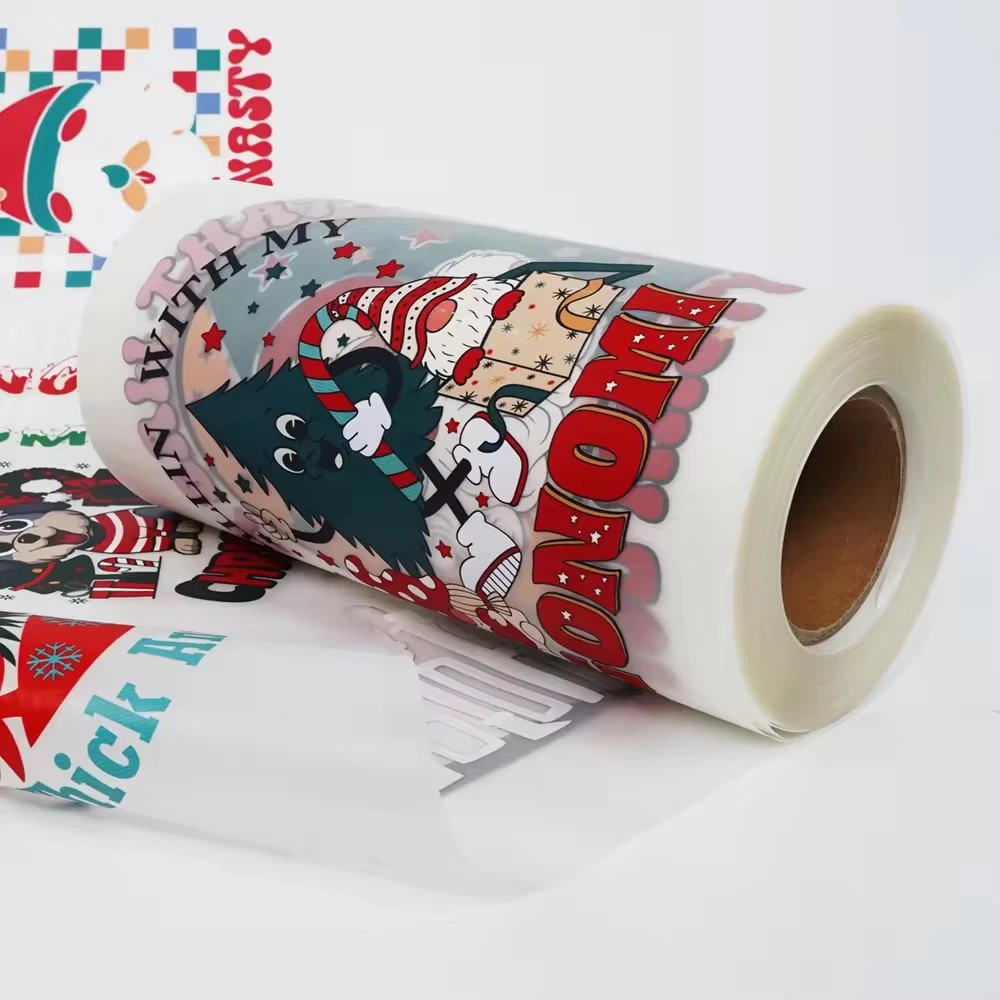
The custom branding and packaging industries are experiencing a technological renaissance, largely driven by the advent of UV Direct-to-Film (DTF) printing. For enterprises, promotional product distributors, and packaging manufacturers, the ability to apply high-quality, 3D-embossed decals to almost any hard surface without heat processing is a game-changer. However, to truly capitalize on this technology at scale, businesses must move beyond local middlemen and partner directly with a specialized UV DTF transfer factory.
Whether you are looking to streamline your supply chain, reduce procurement costs, or elevate your product finishing, selecting the right manufacturing partner is critical. This comprehensive guide explores everything you need to know about navigating the wholesale UV DTF market, evaluating factory capabilities, and securing a reliable B2B supplier for your custom transfer needs.
Understanding the Role of a Specialized UV DTF Transfer Factory
Before diving into the procurement strategy, it is essential to define what sets a true UV DTF transfer factory apart from standard print shops. A dedicated manufacturing facility operates on an industrial scale, equipped with commercial-grade roll-to-roll UV printers, automated laminators, and strict quality control protocols.
Unlike traditional DTF (which requires heat presses and is primarily for apparel), UV DTF relies on a complex interplay of specialized UV inks, varnishes, and a dual-film system (A-film and B-film). A professional factory manages this intricate process in-house, ensuring that the adhesive properties, color vibrancy, and scratch resistance are optimized for bulk commercial applications.
By partnering directly with a manufacturer, businesses gain access to:
- Scalable Production Volume: The capability to fulfill orders ranging from hundreds of custom sheets to thousands of continuous meters.
- Consistent Quality Assurance: Standardized color management profiles and rigorous durability testing.
- Customized Solutions: Options for specific adhesive strengths, varying varnish thicknesses for enhanced 3D effects, and custom sheet sizing tailored to your production lines.
Why B2B Buyers Should Source Directly from the Manufacturer
In the competitive landscape of custom merchandise and packaging, supply chain efficiency dictates profitability. Relying on third-party distributors or retail-oriented print services can severely bottleneck your operations. Here is why establishing a direct relationship with a UV DTF transfer factory is a strategic imperative for B2B operators.
1. Significant Cost Optimization for Wholesale Orders
Middlemen inherently add markups. By bypassing these intermediaries, businesses can negotiate factory-direct pricing. This is particularly crucial for bulk procurement and long-term supply contracts. A direct factory partner can offer tiered pricing structures, allowing your profit margins to expand as your order volumes increase.
2. Accelerated Turnaround Times and Supply Chain Stability
When you place a wholesale order through a broker, your production is often queued behind multiple other clients at an undisclosed print facility. A direct manufacturer provides transparent lead times. For high-volume B2B clients, a reliable factory can dedicate specific machine hours to your account, ensuring that your production schedules are met without unexpected delays.
3. Direct Communication for OEM/ODM Requirements
Commercial applications often require precise specifications. Whether you need transfers formulated for curved glass, industrial metals, or specific plastic polymers, direct communication with the factory’s engineering and production teams is vital. A direct manufacturer can adjust ink densities, modify adhesive formulations, and provide exact prototyping before full-scale wholesale production begins.
Key Capabilities to Evaluate in a UV DTF Manufacturer
Not all production facilities are created equal. When evaluating a potential UV DTF transfer factory for your supply chain, you must assess their technical infrastructure and operational protocols. Look for these critical capabilities:
Advanced Commercial-Grade Equipment
Industrial UV DTF printing requires robust machinery. The factory should utilize high-end printheads (such as Epson i3200-U1) that are capable of delivering ultra-fine resolutions and precise droplet placement. Furthermore, commercial facilities utilize integrated roll-to-roll systems that print, cure, and laminate the A and B films simultaneously, minimizing the risk of dust contamination that plagues smaller operations.
Premium Material Selection (Inks, Varnishes, and Films)
The longevity of a UV DTF decal is entirely dependent on the raw materials used. A reputable factory will source premium, eco-friendly UV inks that offer maximum UV resistance (preventing fading from sunlight exposure). They should also offer high-build varnishes that provide the signature 3D tactile feel, along with industrial-strength adhesives that ensure waterproof and scratch-resistant bonds on challenging substrates like ceramics, wood, and acrylics.
Rigorous Quality Control (QC) Protocols
In a B2B context, a defect rate of even a few percent can result in significant operational headaches. Inquire about the factory’s QC processes. Do they perform adhesion tests? How do they ensure color consistency across different batches? A top-tier manufacturer will have dedicated QC personnel inspecting the rolls for alignment issues, curing defects, and lamination bubbles before the transfers are ever packaged for freight.
High-Volume Commercial Applications for UV DTF Transfers
The versatility of UV DTF technology allows businesses across various sectors to innovate their product offerings. Procuring these transfers in bulk from a factory opens up highly profitable applications:
- Hard Goods & Drinkware: Customizing tumblers, glass cans, mugs, and thermoses without the need for expensive rotary UV printers or laser engravers.
- Cosmetics & Skin Care Packaging: Applying high-end, embossed metallic or glossy branding directly onto glass serum bottles, plastic jars, and secondary packaging, significantly lowering minimum order quantities (MOQs) compared to direct screen printing.
- Promotional Merchandise: Rapidly applying corporate logos to pens, power banks, notebooks, and electronics for corporate gifting and events.
- Industrial Equipment & Signage: Utilizing heavy-duty UV DTF labels for machinery, warning signs, and durable outdoor equipment where traditional paper labels would degrade.
How to Establish a Successful Partnership with a Factory
Securing the right supplier requires a methodical approach to procurement. Follow these steps to ensure a smooth integration of a UV DTF transfer factory into your business model:
Step 1: Request Technical Specifications and Samples
Before discussing wholesale pricing, request a sample pack of their existing transfers. Test these samples rigorously on your specific products. Evaluate the ease of peeling the B-film, the initial tack of the adhesive, the clarity of fine text, and the durability under washing or scratching.
Step 2: Define Your SLA (Service Level Agreement)
Clear expectations prevent future disputes. Establish an SLA that outlines acceptable turnaround times, minimum order quantities (MOQ), file formatting requirements (such as vector formats and precise CMYK color profiles), and defect resolution policies.
Step 3: Discuss Global Shipping and Freight Logistics
As a B2B buyer, logistics are just as important as the product itself. Discuss freight options. Can the factory handle express air freight for urgent project deadlines? Do they offer sea freight logistics for massive, continuous roll orders to optimize shipping costs? Ensure they use proper industrial packaging—such as suspended roll cores and moisture-barrier bags—to protect the UV DTF films from humidity and pressure during transit.
Step 4: Scale Up with Pilot Orders
Once satisfied with the samples and terms, initiate a pilot run. This allows you to test the factory’s communication, their adherence to the agreed-upon lead times, and the consistency of the product in a real-world batch size before committing to a massive capital expenditure.
The Future of B2B Customization is Factory-Direct
The demand for high-fidelity, durable, and easy-to-apply branding solutions is only going to accelerate. By bypassing retail channels and integrating a specialized UV DTF transfer factory directly into your procurement strategy, your business can achieve unmatched agility and cost-efficiency. You gain the ability to offer premium, 3D-embossed products to your clients with rapid turnaround times, all while maintaining healthy profit margins.
When selecting your manufacturing partner, prioritize technological infrastructure, material quality, and B2B communication transparency. The right factory is more than just a vendor; they are a critical extension of your production capabilities.