
In the personalized custom and printing industry, the rapid pace of technological upgrades is astonishing. In recent years, a technology known as UV DTF (Ultraviolet Direct-to-Film) has quickly gained popularity, becoming the new favorite in the packaging, custom gifts, and handicrafts sectors.
It perfectly combines the ultra-high definition of UV printing with the flexibility of DTF technology. Most importantly: it completely breaks free from the limitations of heat presses, achieving a “cold transfer” process that allows you to apply graphics to almost anything.
This article will guide you through a comprehensive understanding of the working principles, core advantages, and application scenarios of UV DTF stickers, while answering the most frequently asked questions.
1. What are UV DTF Stickers?
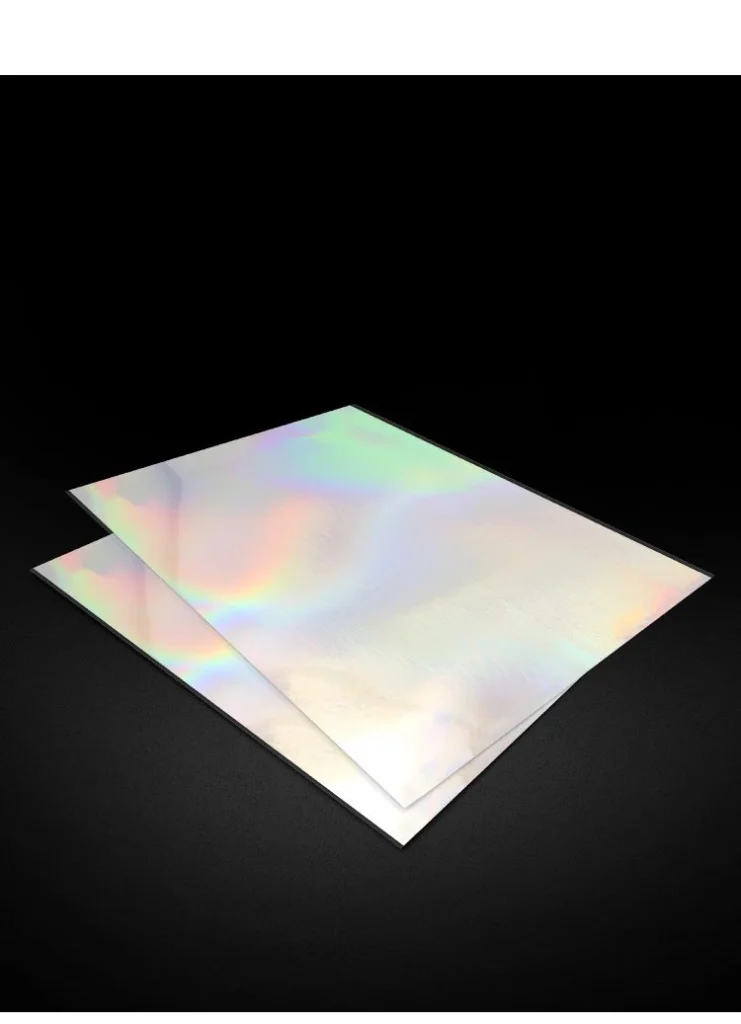
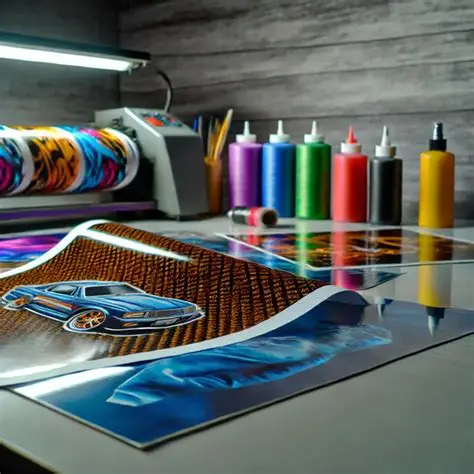
UV DTF stickers (often referred to as “3D crystal labels” in some regions) are transfer stickers created by using a UV printer to print white ink, color ink, and varnish sequentially onto a special release film with an adhesive backing (Film A). This is then laminated with a transfer film (Film B).
To use them, you simply peel the pattern from Film A, stick it onto the surface of the target object, press it firmly, and peel off Film B. The pattern will then be perfectly and securely transferred to the object.
2. Core Advantages of UV DTF
Compared to traditional screen printing, standard adhesive stickers, or heat transfer, UV DTF offers unparalleled advantages:
- No Heat Required (Cold Transfer): This is the biggest breakthrough of UV DTF. Traditional DTF or sublimation transfers require high-temperature heat pressing, making them unsuitable for materials like plastic, wood, or glass that easily deform or are hard to heat. UV DTF only requires firm finger pressure to complete the transfer.
- Outstanding 3D Effect and Glossiness: Thanks to the varnish layer, the surface of UV DTF stickers is smooth and translucent, featuring a slight embossed tactile feel and a premium 3D visual effect.
- Exceptional Durability: Once cured, UV ink boasts excellent waterproof, scratch-resistant, UV-resistant, and high-temperature-resistant properties. Even after repeated washing on a cup, it is highly resistant to peeling or fading.
- Wide Range of Applicable Materials: It can be applied to almost any hard, smooth surface, including glass, acrylic, metal, wood, plastic, ceramics, leather, and even cardboard packaging.
- No Minimum Order Quantity (MOQ): Print on demand. Whether for mass production or a single personalized custom item (like printing a specific name or an exclusive LOGO), it can be easily achieved with highly controllable costs.
3. Popular Application Scenarios for UV DTF
Due to its extreme convenience and exquisite appearance, UV DTF stickers are widely used across various industries:
- Drinkware Customization: Personalized patterns for tumblers, glass cups, mugs, and cold cups.
- Electronic Accessories: Decoration for phone cases, laptop covers, and earbud cases.
- Packaging and Brand LOGOs: Quick proofing or small-batch production of LOGOs for tea boxes, cosmetic bottles, and high-end gift boxes.
- Home Decor and Handicrafts: Personalized decoration for wooden crafts, resin ornaments, helmets, and even musical instruments.
- Promotional Gifts and Souvenirs: Quickly creating customized small gifts with brand identifiers for corporate events.
4. Frequently Asked Questions (FAQ)
Q1: What is the difference between UV DTF and standard DTF?
A: The applications and principles of the two are completely different. Standard DTF is designed for fabrics (like T-shirts and canvas bags) and requires hot melt powder and a heat press machine for high-temperature stamping. UV DTF is designed for hard surfaces (like glass, metal, and plastic), comes with its own adhesive backing, and requires no heat—just press and peel (cold transfer).
Q2: Are UV DTF stickers waterproof? Can they be washed in a dishwasher?
A: UV DTF stickers have excellent waterproof performance; daily hand washing and rinsing are completely fine and will not cause color fading. However, it is not recommended to frequently put them in high-temperature dishwashers or scrub them with heavy-duty abrasive pads. Extreme high temperatures and intense physical friction may shorten their lifespan.
Q3: Can I peel it off and reapply if I placed it in the wrong spot?
A: Usually, no. The adhesive used for UV DTF is extremely strong. Once it is applied to the object’s surface and pressed firmly, it is difficult to remove without damage. Forcefully peeling it off may destroy the pattern itself. Therefore, make sure to align the position carefully before applying.
Q4: How can I ensure the UV DTF sticker goes on smoothly without bubbles?
A: Before applying, make sure the target surface is clean, dry, and free of oil (you can wipe it with rubbing alcohol). Align the sticker, apply it gently from one side to the other, and use a squeegee or your thumb to firmly press down every detail of the pattern, ensuring the adhesive fully bonds with the surface. Finally, peel off Film B steadily and slowly at a sharp angle.
Q5: Can UV DTF stickers be used on fabrics?
A: It is not recommended. The ink layer of UV DTF is relatively thick and stiff, and the adhesive is specifically formulated for hard or smooth surfaces. If applied to soft clothing that frequently stretches or requires machine washing, it is prone to cracking and falling off. For fabrics, please choose standard DTF heat transfer technology.
Conclusion
The emergence of UV DTF technology has broken through many material and process limitations found in traditional custom printing. With its heat-free application, high aesthetic appeal, strong durability, and extremely wide applicability, it is reshaping how small-batch customization and brand packaging operate. Whether you are an entrepreneur looking for new business opportunities or a handicraft enthusiast pursuing ultimate personalization, UV DTF is a revolutionary technology absolutely worth exploring.