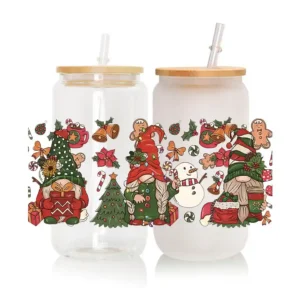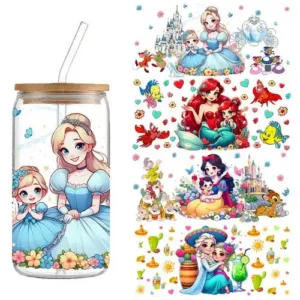
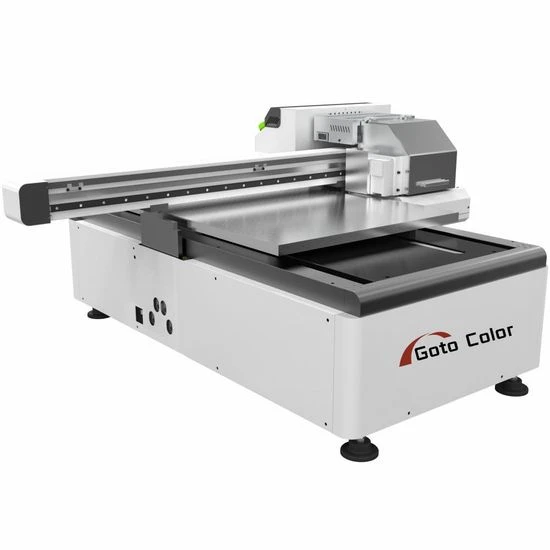
Water bottles have become one of the most popular canvases for UV DTF transfers. From stainless steel tumblers to glass water bottles and ceramic mugs, the demand for durable, waterproof custom decals continues to rise. For e-commerce sellers, print-on-demand store owners, and gift buyers, understanding how to properly apply UV DTF water bottle stickers is the difference between a premium product and a customer return.
In this guide, we walk through everything you need to know about applying UV DTF transfers to water bottles — from surface preparation and application technique to durability expectations and troubleshooting common mistakes. Whether you are sourcing for a retail line or fulfilling custom orders, this article covers the practical steps that ensure your decals look professional and last.
What Are UV DTF Water Bottle Stickers?
UV DTF (Direct to Film) is a digital printing method where designs are printed onto a specialized film using UV-curable ink, then transferred onto a target surface using an adhesive layer and protective laminate. Unlike traditional vinyl decals that require weeding and transfer tape, UV DTF transfers come pre-cut and ready to apply. The process is faster, more color-accurate, and capable of producing intricate designs with fine details that vinyl cutting cannot match.
For water bottle applications specifically, UV DTF transfers offer key advantages: they conform to curved surfaces without wrinkling, they resist water and daily handling, and they maintain their color vibrancy even after repeated contact with moisture. These characteristics make them an ideal choice for reusable water bottle brands, promotional merchandise companies, and custom gift producers.
Best Water Bottle Materials for UV DTF Transfers
Not all water bottle surfaces are equally suitable for UV DTF decals. Based on our factory testing across hundreds of production runs, here is how different materials perform:
Stainless Steel (Best Choice)
Stainless steel water bottles and tumblers are the most compatible surface for UV DTF transfers. The smooth, non-porous surface allows the adhesive to form a strong bond. We recommend using powder-coated or painted stainless steel for best results, as the slightly textured finish gives the adhesive more grip than bare polished steel. Brands like Hydro Flask, Yeti, and Simple Modern are excellent candidates for UV DTF customization.
Glass
Glass water bottles accept UV DTF transfers well, provided the surface is clean and dry. The smoothness of glass produces a high-gloss finish that makes colors pop. However, glass bottles that go through frequent dishwasher cycles may experience edge lifting over time — we recommend hand washing for glass bottles with decals.
Hard Plastic (Tritan, Polypropylene)
Hard plastic water bottles made from Tritan or polypropylene work well with UV DTF transfers. The key consideration is surface energy: some plastics have a low surface energy that resists adhesive bonding. A quick wipe with isopropyl alcohol improves adhesion significantly. Avoid flexible or squeezable plastic bottles, as the decal may crack or peel when the bottle flexes.
Ceramic
Ceramic water bottles and mugs provide an excellent surface for UV DTF transfers. The porous nature of unglazed ceramic requires a sealant layer before application, but glazed ceramic works directly. This makes ceramic an attractive option for custom corporate gifts and promotional merchandise.
Step-by-Step Application Guide for UV DTF Water Bottle Stickers
Applying UV DTF transfers to water bottles is straightforward, but attention to detail matters. Follow these steps for professional results every time:
Step 1: Clean the Surface Thoroughly
Wash the water bottle with mild soap and warm water to remove any manufacturing oils, dust, or residue. Dry completely with a lint-free cloth. For stainless steel and glass, follow with an isopropyl alcohol wipe to remove any remaining oils from fingerprints. Allow the alcohol to evaporate fully — this takes about 30 seconds.
Step 2: Position the Decal
Peel the UV DTF transfer from its backing film. The decal comes with a protective laminate on top and adhesive on the bottom. Position it carefully on the water bottle surface. Because UV DTF transfers are repositionable within the first few seconds, you can slide the decal slightly to adjust alignment. Once pressure is applied, the bond becomes permanent.
Step 3: Apply Firm, Even Pressure
Using a squeegee tool or a credit card wrapped in a soft cloth, apply firm pressure from the center of the decal outward. This pushes out any trapped air bubbles and ensures the adhesive makes full contact with the surface. Pay extra attention to the edges — insufficient edge pressure is the most common cause of premature peeling.
Step 4: Remove the Protective Laminate
Slowly peel away the top laminate film at a 180-degree angle (pull back on itself). If any part of the design lifts with the laminate, lay it back down and apply more pressure with the squeegee. The transfer should remain firmly adhered to the water bottle while the laminate separates cleanly.
Step 5: Final Press and Cure
Give the entire decal one more pass with the squeegee. For best durability, allow the adhesive to cure for 24 hours before exposing the bottle to moisture or frequent handling. After the cure period, the decal is fully bonded and ready for everyday use.
Durability and Care: What Your Customers Can Expect
One of the most common questions we receive from B2B buyers is about durability. Here are the real numbers based on our quality testing:
- Water resistance: UV DTF transfers on properly prepared water bottles withstand continuous water exposure. The laminate layer protects the ink from moisture damage.
- Scratch resistance: The UV-cured ink layer has a hardness rating that resists scratches from normal handling and bag friction. Key scratches from metal objects can still mark the surface — this is normal for any printed decal.
- Temperature range: UV DTF transfers hold up from -20°C to 80°C (-4°F to 176°F), making them suitable for both insulated bottles that hold hot beverages and chilled water bottles.
- Dishwasher safety: We recommend hand washing bottles with UV DTF decals. While occasional top-rack dishwasher cycles may not cause immediate failure, repeated exposure to high heat and harsh detergents will shorten the decal’s lifespan.
- Outdoor exposure: UV-resistant inks prevent yellowing and fading for 2-3 years of typical outdoor use, including exposure to sunlight.
Common Application Mistakes and How to Avoid Them
Even experienced applicators encounter issues. Here are the most common problems we see and how to prevent them:
Air bubbles: Always work from the center outward with a squeegee. If a bubble appears, lift the nearest edge of the decal back to the bubble and re-squeegee. For small bubbles that persist, a fine pinprick at the bubble edge allows trapped air to escape, and the adhesive will self-heal.
Edge lifting after application: This usually means insufficient pressure during the initial application or a surface that was not fully clean. Ensure the water bottle temperature is above 15°C (59°F) — cold surfaces reduce adhesive tack. A second firm press of the edges 30 minutes after application can prevent late lifting.
Misalignment on curved surfaces: Water bottles with severe tapers or curves require smaller decals or segmented designs. For best results on highly curved bottles, keep decal dimensions under 10 cm (4 inches) in the direction of the curve. Our factory team can help you design artwork that fits your specific bottle shape.
White spots or gaps in fine detail: UV DTF transfers reproduce detail down to 0.5 mm line width. If you see white gaps, the issue is usually insufficient pressure during transfer, not the print quality. Apply extra pressure on detailed areas.
Sourcing UV DTF Water Bottle Stickers for Your Business
For e-commerce sellers and POD store owners, the business case for UV DTF water bottle stickers is strong. The blank bottle market is saturated — a custom-decorated bottle sells at a premium and differentiates your brand. With UV DTF transfers, you can offer same-day custom designs without holding inventory of pre-printed bottles.
At our factory, we produce UV DTF water bottle stickers in runs from as few as 50 pieces to bulk orders of 10,000+. Each transfer goes through a quality check that includes adhesion testing and color accuracy verification before shipping. Our standard lead time is 3-5 business days for custom designs, with expedited options available for time-sensitive orders.
For resellers building a product line around custom water bottles, we also offer packaging options — individual poly bags, bulk packs, and retail-ready header cards. This allows you to sell ready-to-apply sticker packs alongside finished bottles, creating an additional revenue stream from the same designs.
Frequently Asked Questions
1. Can UV DTF water bottle stickers go through the dishwasher?
We recommend hand washing for best longevity. UV DTF transfers on water bottles can survive occasional top-rack dishwasher cycles, but the combination of high heat (above 60°C), strong detergents, and water pressure will gradually weaken the adhesive bond. For bottles that will be dishwashed regularly, consider a protective epoxy topcoat applied after the transfer cures.
2. How long do UV DTF transfers last on water bottles?
With proper application and hand washing, UV DTF transfers on water bottles typically last 1-3 years of daily use. The main factors affecting lifespan are surface preparation quality, frequency of washing, and exposure to abrasive conditions. The ink itself does not fade or yellow significantly within this period thanks to UV-resistant inks.
3. What file formats do you accept for custom UV DTF water bottle stickers?
We accept AI, PDF, CDR, EPS, and high-resolution PNG files (300 DPI minimum). For best results, provide vector artwork with fonts outlined and colors specified in CMYK. If you only have a rough concept, our design team can help prepare the artwork at no additional charge for bulk orders.
4. Do UV DTF water bottle stickers leave residue when removed?
Yes, some adhesive residue may remain on the surface after removal, particularly on bottles that have had the decal applied for more than a few months. The residue can be cleaned easily with isopropyl alcohol or a mild adhesive remover. Unlike permanent vinyl decals, UV DTF transfers do not bond chemically with the surface, so removal does not damage the bottle finish.
5. What is the minimum order quantity for custom UV DTF water bottle stickers?
Our minimum order is 50 pieces for custom designs. For stock designs from our catalog, there is no minimum. As order volume increases, per-unit pricing drops significantly — bulk orders of 1,000+ pieces receive our best factory-direct pricing. We also offer sample packs so you can test quality before committing to a large order.
Conclusion
UV DTF water bottle stickers offer an efficient, high-quality solution for businesses looking to enter the custom bottle market or expand their existing product line. The combination of easy application, excellent durability, and full-color printing capability makes them a strong alternative to screen printing, heat transfer vinyl, or pad printing.
By understanding the material compatibility, following correct application procedures, and setting clear care expectations with your customers, you can build a reliable product that commands premium pricing. Whether you are a reseller sourcing 500 custom bottles for a corporate event, a POD store owner expanding into drinkware, or a sign shop adding bottle decals to your service menu, UV DTF transfers deliver the quality your customers expect.
Ready to take your product line to the next level? Contact UV DTF Decor today to discuss your custom transfer requirements and request a free quote.